

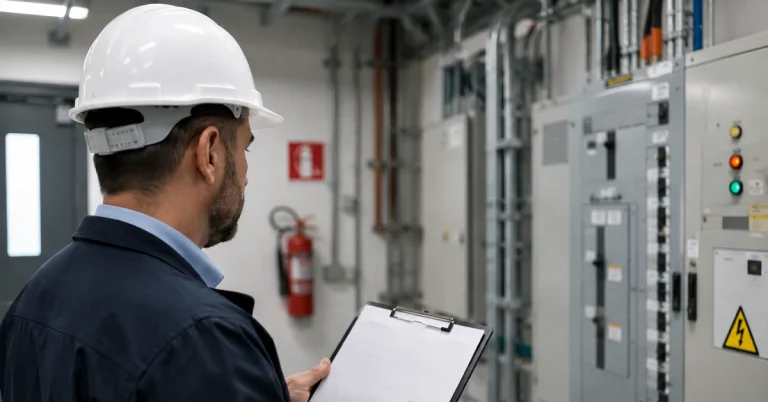
Electrical safety is a legal and operational responsibility for every business. If you’re wondering whether your workplace requires RCD testing in Perth, the short answer is that many commercial workplaces must ensure their electrical protection devices are correctly installed, maintained and tested where required under applicable legislation, Australian Standards and workplace safety obligations.
Residual Current Devices (RCDs), commonly called safety switches, are designed to disconnect power almost instantly when they detect an electrical fault. Proper testing helps confirm they operate as intended and supports a safer workplace for employees, contractors and visitors.
Because electrical compliance requirements can change, businesses should always verify current obligations through the relevant WA Government authorities and applicable Australian Standards before making compliance decisions.
Whether you manage an office, warehouse, retail premises, healthcare facility or industrial site, understanding RCD testing requirements is an important part of maintaining workplace electrical safety and reducing operational risk.
Why RCD Testing Matters for Perth Businesses
An RCD is designed to detect leakage current and disconnect the electrical supply before a potentially dangerous electric shock occurs.
While no electrical protection system removes all risk, correctly functioning RCDs provide an important layer of protection against:
- Electric shock
- Electrical fires caused by fault currents
- Equipment faults
- Damage to electrical installations
- Workplace downtime following electrical incidents
For businesses across Perth, regular inspection and testing also helps identify developing electrical issues before they become major safety concerns.
More importantly, documenting inspection and testing activities demonstrates that a business is actively managing electrical safety as part of its overall risk management responsibilities.
Understanding RCD Compliance in Western Australia
Western Australia’s electrical safety requirements are influenced by workplace safety legislation, electricity regulations and applicable Australian Standards.
Rather than viewing RCD testing as a one-off task, businesses should treat it as part of an ongoing electrical compliance program that may include:
- Electrical inspections
- Routine maintenance
- Testing of protective devices
- Portable appliance testing where applicable
- Switchboard inspections
- Record keeping
- Risk assessments
The exact testing requirements depend on factors such as:
- The type of workplace
- The electrical installation
- Equipment being used
- Industry-specific risks
- Applicable legislation and standards
Before publication: Verify all current testing requirements, intervals and legal obligations using the latest guidance from Building and Energy WA, DMIRS (Department of Energy, Mines, Industry Regulation and Safety) and the relevant Australian Standards.
Which Businesses Should Consider Regular RCD Testing?
While every workplace is different, many commercial premises benefit from scheduled RCD inspection and testing.
Examples include:
Offices
Modern offices rely on multiple circuits supplying computers, meeting rooms, kitchens and workstations. Routine testing helps ensure electrical protection devices continue operating correctly.
Warehouses and Distribution Centres
Retail Stores
Retail Stores
Healthcare Facilities
Schools and Educational Facilities
Commercial Construction Sites
What Happens During Professional RCD Testing?
Professional RCD testing Perth services generally involve more than simply pressing the test button.
A qualified commercial electrician may perform:
- Visual inspection of switchboards
- Identification of installed RCDs
- Functional testing
- Instrument testing using calibrated equipment
- Verification of trip performance where applicable
- Inspection for visible defects
- Identification of damaged components
- Recording of test results
- Recommendations for repairs or replacement where necessary
If faults are identified, corrective action should be completed before the affected electrical circuits continue operating where safety may be compromised.
RCD Test Button vs Professional Testing
Many business owners assume pressing the built-in test button is sufficient.
While the test button confirms that the mechanism can operate, it does not replace professional inspection or instrument testing where these are required.
Test Button Check | Professional RCD Testing |
Basic functional check | Comprehensive electrical assessment |
Can be performed by the user where appropriate | Performed by a qualified electrician |
Does not verify all performance characteristics | Uses specialised testing equipment |
No formal documentation | Test records and recommendations can be provided |
Limited fault detection | Helps identify hidden electrical issues |
Both forms of testing may play a role in an effective electrical safety program.
Common Compliance Issues Found During RCD Inspections
Ageing Electrical Equipment
Damaged Components
Poor Documentation
Unlabelled Circuits
Changes to Electrical Installations
Workplace Electrical Safety Checklist
Use this simple checklist to help review your workplace electrical safety practices.
✔ Inspect switchboards for obvious damage
✔ Ensure safety switches are clearly identified
✔ Keep electrical panels accessible
✔ Record previous inspection and testing dates
✔ Report nuisance tripping or electrical faults promptly
✔ Arrange professional inspections where required
✔ Review electrical safety procedures regularly
✔ Maintain documentation for compliance purposes
A checklist does not replace professional electrical inspections, but it can help businesses identify areas requiring further attention.
Documentation Matters: Keep Accurate Compliance Records
Testing is only one part of electrical compliance. Maintaining clear records helps demonstrate that your business is actively managing electrical safety and can simplify future inspections, maintenance planning and audits.
Depending on your workplace and applicable obligations, useful records may include:
- RCD testing reports
- Electrical inspection reports
- Maintenance logs
- Details of repairs or replacements
- Equipment registers
- Risk assessments
- Previous compliance documentation
Good record keeping also makes it easier to identify recurring issues, schedule preventative maintenance and support facility management across multiple sites.
Tip: Review current record-keeping requirements through the relevant WA Government authorities and applicable Australian Standards before establishing your compliance process.
When Should You Arrange Professional RCD Testing?
Instead of waiting until an electrical fault occurs, businesses should incorporate RCD testing into their planned maintenance program.
You should consider arranging professional testing if:
- You’re moving into a new commercial premises.
- Your building has recently undergone electrical upgrades or renovations.
- Your business uses high-demand electrical equipment or machinery.
- An RCD trips frequently or does not appear to operate correctly.
- You cannot locate previous testing records.
- You’re preparing for a workplace safety audit or compliance review.
- It has been some time since your electrical protection devices were professionally inspected.
If you’re unsure what applies to your workplace, a qualified commercial electrician can assess your installation and advise on an appropriate maintenance schedule based on current WA requirements.
A Practical Approach to Workplace Electrical Compliance
Step 1: Review Your Electrical Installation
Step 2: Assess Workplace Risks
Step 3: Schedule Professional Testing
Step 4: Address Identified Issues
Step 5: Maintain Ongoing Records
Keep documentation organised so future inspections, maintenance and compliance reviews are straightforward.
This proactive approach supports both electrical compliance in Perth and long-term workplace electrical safety.
How Symbient Electrical Can Help
Managing electrical compliance across commercial premises can be time-consuming, particularly for businesses with multiple buildings or ageing electrical infrastructure.
Symbient Electrical provides professional Commercial Electrical Services for businesses throughout Perth, helping clients maintain safer electrical installations through inspection, testing and ongoing maintenance support.
Whether you manage:
- Commercial offices
- Warehouses
- Retail centres
- Industrial facilities
- Healthcare premises
- Educational buildings
Our experienced electricians can assess your electrical systems, identify potential issues and recommend practical solutions aligned with your operational needs.
If you’re reviewing your broader electrical safety responsibilities, you may also find these resources helpful:
Stay Ahead of Compliance
Electrical safety is not simply about meeting legal obligations—it’s about protecting people, minimising disruption and maintaining reliable business operations.
Understanding the role of RCD testing, keeping accurate documentation and scheduling professional inspections can help reduce electrical risks while supporting ongoing compliance.
Because regulations, Australian Standards and testing recommendations can change, always verify current requirements with the relevant WA Government authorities before making compliance decisions.
If your Perth business needs assistance reviewing its electrical protection systems or planning a proactive compliance program, contact Symbient Electrical to discuss your workplace requirements and arrange professional RCD testing or an electrical compliance assessment.