

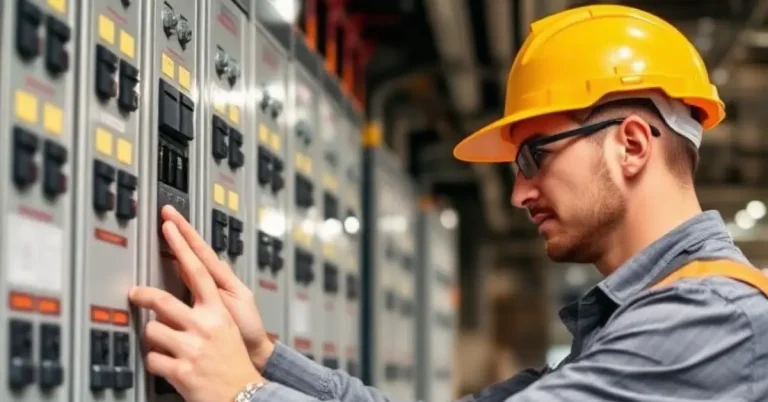
Industrial facilities across Western Australia rely on dependable electrical systems to keep operations running efficiently. Whether it’s a warehouse, manufacturing plant, processing facility, or logistics centre, electrical infrastructure plays a vital role in powering machinery, lighting, automation systems, and critical business operations. However, ageing equipment, increasing energy demands, and unexpected electrical faults can quickly disrupt productivity and lead to costly downtime.
Understanding these Electrical Challenges is the first step towards improving workplace safety, reducing operational risks, and maintaining business continuity. By identifying potential issues early and implementing a proactive maintenance strategy, industrial businesses can avoid expensive repairs while extending the lifespan of their electrical systems.
In this guide, we’ll explore the most common electrical challenges facing industrial facilities in Western Australia, explain why they occur, and share practical solutions to help businesses maintain safe, reliable, and efficient electrical infrastructure.
What Are the Biggest Electrical Challenges Facing Industrial Facilities?
Industrial facilities face several electrical challenges that can affect safety, productivity, and operational efficiency. Common issues include ageing electrical infrastructure, overloaded circuits, equipment failures, inadequate maintenance, power quality problems, and increasing energy demands. Working with experienced industrial electricians in Perth helps businesses identify these risks early and implement reliable long-term solutions.
Industrial environments place significant demands on electrical systems. Heavy machinery, automation equipment, refrigeration systems, conveyors, and specialised production lines require a stable and reliable power supply. As businesses expand or modernise their operations, existing electrical infrastructure may struggle to keep up with these changing requirements.
Without regular inspections and preventive maintenance, small electrical issues can develop into serious safety hazards, equipment failures, and unplanned production downtime.
Why Electrical Reliability Matters in Industrial Facilities
Electrical reliability is essential for maintaining productivity and protecting valuable equipment. Even a brief power interruption can halt manufacturing processes, disrupt warehouse operations, and result in missed deadlines.
Reliable electrical systems help businesses:
- Reduce unexpected downtime
- Improve workplace safety
- Protect expensive machinery
- Increase operational efficiency
- Lower maintenance costs
- Support future expansion
- Improve energy efficiency
Investing in professional industrial electrical maintenance Perth services helps ensure that electrical infrastructure continues to perform safely and efficiently as operational demands evolve.
Challenge 1: Ageing Electrical Infrastructure
Many industrial facilities in Western Australia operate from buildings that were constructed decades ago. While these facilities may have undergone equipment upgrades over the years, their original electrical infrastructure often remains unchanged.
Older switchboards, outdated wiring, and ageing distribution systems may no longer be capable of supporting modern industrial equipment.
Common Signs of Ageing Infrastructure
Watch for these warning signs:
- Frequent circuit breaker trips
- Flickering or dim lighting
- Overheating switchboards
- Damaged electrical cables
- Burning smells near electrical equipment
- Corroded electrical components
- Limited spare circuit capacity
Ignoring these warning signs can increase the risk of electrical failures and workplace hazards.
How to Address Ageing Electrical Systems
An experienced industrial electrical contractor Perth can assess your existing infrastructure and recommend appropriate upgrades.
Typical improvements include:
- Switchboard replacements
- Distribution board upgrades
- Cable replacements
- Additional power circuits
- Surge protection installation
- Modern protective devices
Upgrading ageing infrastructure improves reliability while preparing your facility for future operational growth.
Challenge 2: Increasing Power Demand
Modern industrial operations rely on more electrical equipment than ever before. Automation systems, robotic machinery, advanced manufacturing equipment, refrigeration systems, and high-capacity HVAC units all contribute to significantly higher power consumption.
As businesses expand, existing electrical systems may become overloaded if they were not originally designed to handle increased demand.
Causes of Increased Power Demand
Common factors include:
- Business expansion
- New production equipment
- Additional warehouse machinery
- Increased office technology
- Electric vehicle charging stations
- Larger HVAC systems
- Expanded lighting installations
Without proper planning, these additions can place excessive strain on electrical infrastructure.
Risks of Overloaded Electrical Systems
Overloaded systems may result in:
- Frequent power outages
- Equipment damage
- Increased operating costs
- Reduced equipment lifespan
- Production delays
- Electrical safety risks
Monitoring electrical loads and upgrading distribution systems before capacity limits are reached helps businesses avoid costly disruptions.
Best Practices for Managing Growing Electrical Demand
- Conduct regular electrical load assessments.
- Plan infrastructure upgrades before installing new equipment.
- Install energy-efficient machinery where possible.
- Upgrade switchboards when capacity becomes limited.
- Schedule routine inspections with qualified industrial electricians Perth.
Challenge 3: Equipment Failures and Unplanned Downtime
Unexpected equipment failures are among the most expensive Electrical Challenges faced by industrial facilities. When critical machinery stops working, production can come to a standstill, deadlines may be missed, and repair costs can quickly escalate.
Electrical faults often develop gradually before causing major failures. Loose connections, worn components, overloaded circuits, or deteriorating insulation may go unnoticed without routine inspections.
Common Causes of Equipment Failure
Industrial equipment can fail due to:
- Loose electrical connections
- Overloaded circuits
- Voltage fluctuations
- Faulty switchboards
- Ageing wiring
- Moisture or dust contamination
- Lack of scheduled maintenance
Even minor electrical faults can lead to significant operational disruptions if left unresolved.
How to Reduce Downtime
Working with experienced industrial electricians Perth allows businesses to identify electrical issues before they result in equipment failure.
Recommended strategies include:
- Routine electrical inspections
- Thermal imaging inspections
- Preventive maintenance schedules
- Equipment load monitoring
Timely replacement of ageing components
Immediate repairs when faults are detected
Preventive maintenance is far more cost-effective than emergency repairs and helps maintain business continuity.
Challenge 4: Inadequate Preventive Maintenance
Many industrial businesses only call an electrician after a fault occurs. While reactive repairs solve immediate problems, they rarely address the underlying causes of electrical failures.
Without a structured maintenance program, businesses face increased risks of:
- Unexpected equipment breakdowns
- Electrical hazards
- Production interruptions
- Higher repair costs
- Reduced equipment lifespan
Why Preventive Maintenance Matters
A proactive maintenance plan helps identify potential issues before they become major failures.
Typical maintenance activities include:
- Switchboard inspections
- Cable testing
- RCD testing
- Circuit testing
- Load balancing
- Thermal imaging
- Electrical cleaning
- Equipment servicing
Regular industrial electrical maintenance Perth helps businesses improve reliability while reducing long-term maintenance expenses.
Challenge 5: Power Quality Issues
- Voltage fluctuations
- Harmonic distortion
- Power surges
- Voltage sags
- Electrical noise
- Phase imbalance
Signs of Poor Power Quality
Watch for:
- Machinery unexpectedly shutting down
- Computers restarting
- Lighting flickering
- Motors overheating
- Frequent equipment faults
- Unexpected breaker trips
Professional electrical assessments can identify power quality issues and recommend appropriate corrective measures such as surge protection, power conditioning, or system upgrades.
Challenge 6: Workplace Electrical Safety Risks
Electrical safety should remain a top priority in every industrial environment.
Warehouses and manufacturing facilities often contain:
- Heavy machinery
- High-voltage equipment
- Portable electrical tools
- Wet or dusty environments
- Forklift charging stations
- Conveyor systems
Without proper maintenance, these environments present increased electrical risks.
Common Workplace Hazards
Potential hazards include:
- Damaged extension leads
- Exposed wiring
- Faulty safety switches
- Overloaded circuits
- Poorly maintained switchboards
- Inadequate lighting
- Unauthorised electrical modifications
Regular inspections help identify and eliminate these risks before accidents occur.
Challenge 7: Rising Energy Costs
Energy costs continue to increase across Australia, placing additional pressure on industrial businesses to improve efficiency.
Older electrical systems often consume more electricity than necessary due to:
- Inefficient lighting
- Outdated motors
- Ageing switchboards
- Poor power factor
- Inefficient distribution systems
- Equipment operating outside peak efficiency
Ways to Improve Energy Efficiency
Businesses can reduce operating costs by:
- Upgrading to LED lighting
- Installing energy monitoring systems
- Replacing ageing equipment
- Improving power distribution
- Scheduling preventive maintenance
- Reviewing electrical loads regularly
An experienced industrial electrical contractor Perth can recommend upgrades that improve energy efficiency while supporting long-term business growth.
Comparison Table: Reactive vs Preventive Electrical Maintenance
Reactive Maintenance | Preventive Maintenance |
Repairs after equipment failure | Identifies faults before failure occurs |
Higher emergency repair costs | Lower long-term maintenance costs |
Increased downtime | Improved equipment reliability |
Greater safety risks | Better workplace safety |
Shorter equipment lifespan | Extended asset life |
Unexpected production interruptions | Planned maintenance with minimal disruption |
For most industrial facilities, preventive maintenance delivers better long-term value by reducing operational risks and improving system reliability.
Practical Tips for Managing Electrical Challenges
- Schedule regular electrical inspections.
- Upgrade ageing switchboards before they become overloaded.
- Replace damaged cables immediately.
- Monitor electrical loads as your business grows.
- Test safety devices regularly.
- Maintain detailed maintenance records.
- Train staff to report electrical hazards.
- Work with qualified industrial electricians Perth for inspections and upgrades.
The Role of Preventive Electrical Maintenance
Preventive maintenance is one of the most effective ways to minimise electrical challenges in industrial facilities. Rather than waiting for equipment to fail, scheduled inspections identify developing issues before they become major problems.
A preventive maintenance program may include:
- Electrical system inspections
- Thermal imaging
- Switchboard servicing
- Circuit testing
- RCD testing
- Cable inspections
- Equipment performance checks
Preventive repairs
Regular electrical maintenance for industrial facilities helps improve reliability, reduce downtime, and extend the life of critical electrical assets.
Why Choose Symbient Electrical?
Industrial electrical systems require specialist knowledge and careful planning. At Symbient Electrical, we provide reliable industrial electrical services for warehouses, manufacturing facilities, logistics centres, and commercial properties across Perth.
Our experienced team offers:
- Industrial electrical installations
- Preventive electrical maintenance
- Switchboard upgrades
- Fault finding and repairs
- Power distribution upgrades
- Compliance testing
- Emergency electrical services
Whether you’re upgrading existing infrastructure or planning future expansion, our team works closely with your business to deliver safe, efficient, and compliant electrical solutions.
Expert Insights
Industrial electrical systems become more complex as businesses expand. Waiting until a fault occurs often leads to expensive repairs, production delays, and avoidable safety risks.
Electrical professionals recommend adopting a proactive maintenance strategy that includes regular inspections, equipment testing, load assessments, and planned upgrades. This approach not only reduces downtime but also supports compliance, improves energy efficiency, and protects valuable assets.
By partnering with a trusted provider of industrial electrical services Perth, businesses can better prepare for future growth while maintaining reliable and safe electrical infrastructure.
Actionable Recommendations for Industrial Facilities
Addressing electrical challenges requires more than fixing problems as they arise. A proactive approach helps improve safety, reduce downtime, and extend the lifespan of your electrical systems.
Follow these practical recommendations to keep your facility operating efficiently.
1. Schedule Regular Electrical Inspections
2. Develop a Preventive Maintenance Plan
Instead of relying on emergency repairs, establish a scheduled maintenance program.
A maintenance plan should include:
- Switchboard inspections
- Thermal imaging
- RCD testing
- Cable inspections
- Equipment testing
- Circuit load assessments
- Power quality analysis
Regular electrical maintenance for industrial facilities helps improve system reliability while reducing long-term repair costs.
3. Upgrade Outdated Electrical Infrastructure
Older electrical systems often struggle to support modern industrial operations.
Consider upgrading:
- Switchboards
- Distribution boards
- Wiring
- Circuit protection devices
- Power monitoring systems
Infrastructure upgrades improve safety while supporting future expansion.
4. Monitor Energy Consumption
- Reduce operating costs
- Improve equipment performance
- Plan future upgrades
- Identify abnormal power usage
5. Partner with Experienced Industrial Electricians
- Safe installations
- Reliable maintenance
- Compliance with Australian standards
- Reduced operational risk
- Expert recommendations for future growth
FAQs
What are the biggest electrical challenges for industrial facilities?
Why is preventive electrical maintenance important?
How can industrial electricians improve workplace safety?
When should an industrial facility upgrade its electrical system?
How often should industrial electrical systems be inspected?
Conclusion
Modern industrial facilities rely on dependable electrical systems to maintain productivity, protect valuable equipment, and ensure workplace safety. From ageing infrastructure and increasing power demands to equipment failures and rising energy costs, today’s Electrical Challenges require a proactive approach rather than reactive repairs.
Regular inspections, preventive maintenance, and timely infrastructure upgrades help reduce downtime while supporting long-term operational efficiency. Partnering with experienced industrial electricians Perth also ensures your facility remains safe, compliant, and prepared for future growth.
At Symbient Electrical, we provide professional industrial electrical solutions tailored to the unique needs of businesses across Perth. Whether you require preventive maintenance, electrical upgrades, or expert advice, our experienced team is ready to help.
Contact Symbient Electrical today to discuss your industrial electrical requirements and discover how our tailored solutions can improve the safety, reliability, and efficiency of your facility.