

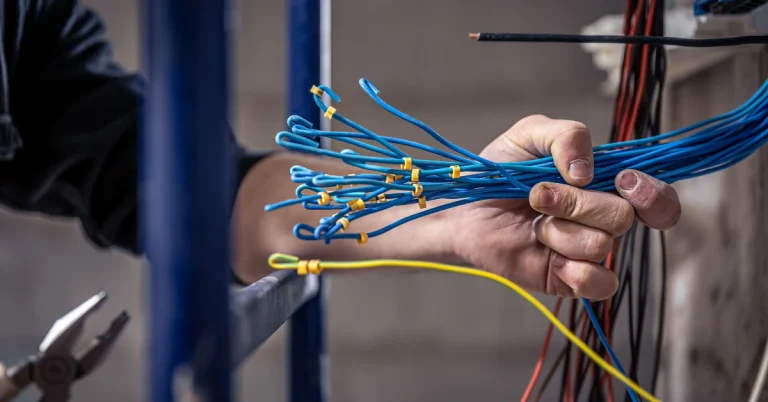
Data cabling is the wired infrastructure that connects devices for fast, stable internet.
In today’s Australian homes, reliable connectivity is no longer optional. From streaming 4K content and working remotely to managing smart home devices, households depend on consistent, high-speed internet.
This blog explains what data cabling is, how it works, and why home data cabling is essential for modern living.
What Is Data Cabling?
Data cabling refers to the physical network of cables and hardware that connects devices like computers, TVs, and smart systems to the internet.
Key Components of Home Data Cabling
- Ethernet cables (Cat5e, Cat6, Cat6a)
- Data points (wall outlets for network access)
- Routers (internet source)
- Switches (distribute connections)
- Patch panels (organise connections centrally)
Data Cabling vs Electrical Wiring
- Electrical wiring supplies power
- Data cabling transmits information (internet/data)
Both are essential but serve completely different purposes in a home.
How Data Cabling Works
A home data cabling system connects all devices through physical cables to a central network.
Simple Breakdown
- The router brings internet into your home
- A switch distributes that connection to multiple devices
- Data points allow devices to plug in directly
Unlike WiFi, which relies on wireless signals, ethernet installation in homes ensures data travels through dedicated cables—resulting in faster and more stable performance.
Types of Data Cabling for Homes
Ethernet Cabling
The most common type of home data cabling.
Cat5e vs Cat6 vs Cat6a
- Cat5e: Basic use, suitable for small homes
- Cat6: Faster speeds, ideal for streaming and gaming
- Cat6a: High-performance, future-proof solution
Best for: Everyday internet use, home offices, smart TVs
Fibre Optic Cabling
A high-speed, future-ready solution that uses light to transmit data.
- Extremely fast and reliable
- Ideal for large homes or heavy usage
Best for: Smart homes, high-bandwidth needs, future upgrades
Structured Cabling Systems
A structured cabling home setup organises all cables into a central system.
Benefits:
- Easy to manage and expand
- Clean and organised installation
- Scalable for future needs
Why Data Cabling Is Important for Modern Homes
Faster and More Stable Internet
With home data cabling, you get consistent speeds without dropouts common in WiFi connections.
Better Streaming and Gaming Performance
- Reduced buffering
- Lower latency
- Smooth gaming experience
Supports Smart Home Technology
Modern homes rely on connected devices:
- CCTV systems
- Smart TVs
- Home automation systems
- IoT devices
A strong structured cabling home setup ensures everything works seamlessly.
Increased Property Value
Homes with professional ethernet installation in Perth are more attractive to buyers looking for future-ready properties.
Improved Network Security
Wired connections are more secure than wireless networks, reducing the risk of hacking or interference.
Data Cabling vs WiFi
Feature | Data Cabling | WiFi |
Speed | High | Variable |
Reliability | Very stable | Can drop |
Security | High | Moderate |
Setup Cost | Higher upfront | Lower upfront |
Where Data Cabling Is Used in Homes
- Home offices
- Living rooms (TVs, streaming devices)
- Bedrooms
- Security systems
- Smart home hubs
When Should You Install Data Cabling?
You should consider home data cabling when:
- Building a new home
- Renovating your property
- Experiencing slow or unreliable internet
- Setting up a smart home system
How Data Cabling Installation Works
Professional ethernet installation home services follow a structured process:
- Site inspection
- Network planning
- Cable routing and installation
- Data point setup
- Testing and configuration
This ensures optimal performance and compliance with Australian standards.
Common Mistakes to Avoid
- Installing too few data points
- Using outdated cable types
- Not planning for future needs
- Attempting DIY installations without expertise
Cost of Data Cabling in Australia
The cost of home data cabling varies depending on:
- Number of data points
- Type of cable (Cat6 vs fibre)
- Property size and layout
While upfront costs may seem higher, the long-term benefits in performance and reliability offer excellent return on investment.
Future-Proofing Your Home Network
To ensure your network lasts for years:
- Choose Cat6a or fibre optic cabling
- Install extra data points
- Plan for increasing device usage
While this guide focuses on homes, businesses also rely heavily on structured networks. If you’re managing a commercial space, check out:
Signs Your Business Needs a Data Cabling Audit
This can help identify performance issues and optimise network efficiency in professional environments.
Frequently Asked Questions
1. What is data cabling in a home?
Data cabling in a home is the system of cables and hardware that connects devices to the internet. It includes ethernet cables, routers, switches, and data points, providing a stable and high-speed connection compared to wireless networks.
2. Is data cabling better than WiFi?
Yes, data cabling offers faster speeds, greater reliability, and improved security compared to WiFi. While WiFi is convenient, wired connections provide consistent performance, making them ideal for streaming, gaming, and remote work.
3. How many data points do I need?
The number of data points depends on your home size and device usage. Most modern homes benefit from multiple points in key areas like living rooms, bedrooms, and home offices to ensure strong and reliable connectivity.
4. How much does installation cost?
The cost of data cabling installation in Australia varies based on cable type, number of data points, and property size. While initial costs may be higher, it delivers long-term value through improved performance and reduced connectivity issues.
Conclusion
In today’s connected world, data cabling is essential infrastructure for modern homes. It delivers faster speeds, better reliability, and supports the growing demand for smart technology.
Whether you’re building, renovating, or upgrading your network, investing in home data cabling ensures long-term performance and convenience.
Ready to Upgrade Your Home Network?
Get expert advice and professional installation tailored to your needs.
Contact Symbient Electrical today for reliable, future-proof data cabling solutions across Australia.