

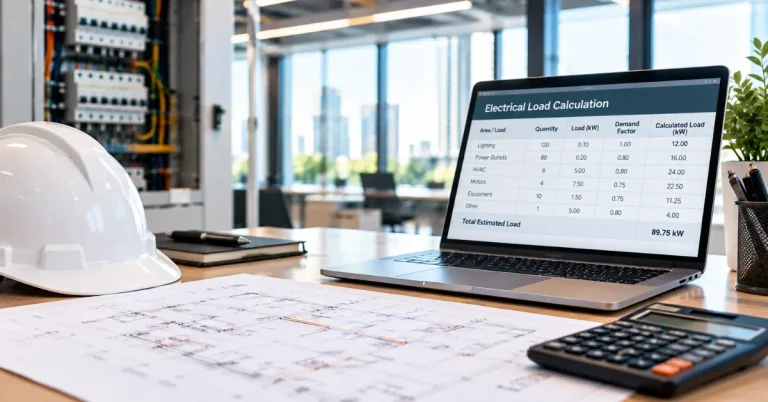
Buying, leasing or moving into a commercial property involves more than checking the building’s location, condition and layout. The electrical system is one of the most important building services to assess before a business takes full responsibility for the premises.
A commercial electrical inspection can help identify electrical faults, outdated equipment, damaged components, safety risks and potential capacity issues before they become expensive problems.
This is particularly important when moving into an older commercial building, taking over a previously occupied premises, renovating an office or planning new electrical installations.
In this guide, we’ll explain what a commercial property electrical inspection involves, what electricians typically check, when an inspection may be appropriate and how it can help businesses manage electrical safety and compliance.
What Is a Commercial Electrical Inspection?
A commercial electrical inspection is a professional assessment of a property’s electrical installation.
Depending on the purpose and scope of the inspection, an electrician may assess areas such as:
- Main switchboards
- Distribution boards
- Circuit protection
- Power outlets
- Lighting
- Electrical cabling
- RCD protection
- Emergency lighting
- Electrical equipment
- Visible signs of damage or deterioration
- Electrical capacity
- Other relevant electrical systems
The exact scope depends on the property, the reason for the inspection and the electrical systems installed.
An inspection can help identify issues that may not be obvious during a normal property walkthrough.
Why Is a Commercial Property Electrical Inspection Important?
Electrical problems can create safety risks, operational disruptions and unexpected costs.
A commercial property may contain electrical infrastructure that has been installed, modified or repaired over many years. Without an appropriate assessment, a new tenant or property owner may not know the condition of the existing installation.
A professional inspection can help identify:
- Damaged electrical components
- Deteriorated wiring
- Overloaded circuits
- Faulty protection devices
- Switchboard issues
- Inadequate or damaged power outlets
- RCD problems
- Poor electrical modifications
- Potential capacity limitations
- Maintenance requirements
Early identification gives businesses an opportunity to address issues before they interfere with normal operations.
Why Is a Commercial Property Electrical Inspection Important?
There are several situations where a commercial electrical inspection can be particularly useful.
Before Moving Into a New Commercial Property
If you’re leasing or purchasing a commercial property, an electrical inspection can provide valuable information about the existing installation.
This is particularly useful for older buildings where electrical infrastructure may have been modified over time.
An inspection can help identify electrical work that may need attention before the business begins operating.
Before Starting a Commercial Fit-Out
Electrical requirements should be assessed before a fit-out begins.
The existing electrical installation needs to support the planned:
- Lighting
- Power outlets
- Data infrastructure
- Air conditioning
- Kitchen equipment
- Specialist equipment
- Machinery
- Other building services
Assessing the existing system early can help identify potential limitations before construction starts.
Before Major Equipment Is Installed
Large electrical equipment can significantly increase a property’s electrical load.
Examples include:
- Commercial refrigeration
- HVAC equipment
- Machinery
- Commercial kitchen appliances
- EV charging equipment
- Workshop equipment
- Production equipment
An electrical assessment can help determine whether the existing installation is suitable for the proposed equipment.
After Major Electrical Changes
A commercial property should also be considered for inspection after significant electrical modifications.
This can include:
- Switchboard upgrades
- New distribution boards
- Major rewiring
- Additional circuits
- New machinery
- Large-scale fit-outs
- Electrical alterations
Appropriate testing and verification can help confirm that the completed installation is operating safely.
What Does a Commercial Electrical Inspection Check?
1. Main Switchboard
The switchboard is one of the most important parts of a commercial electrical installation.
An electrician may inspect:
- Switchboard condition
- Main switch
- Circuit breakers
- Protective devices
- RCDs
- Labelling
- Signs of overheating
- Physical damage
- Available circuit capacity
- General condition of components
Older switchboards may require additional assessment if they contain outdated components or show signs of deterioration.
If an inspection identifies potential switchboard limitations, the business may need further investigation or upgrade planning.
For businesses considering switchboard work, our guide to commercial switchboard upgrade considerations provides additional information about the factors that can influence an upgrade.
2. Electrical Distribution Boards
Larger commercial properties may have multiple distribution boards throughout the building.
These distribute electrical power to different areas or circuits.
An inspection may consider:
- Condition of the board
- Circuit identification
- Protective devices
- Connections
- Signs of overheating
- Damage
- Capacity
- General electrical condition
Clear identification and appropriate protection can make future maintenance easier and help electricians safely identify circuits.
3. Power Outlets
Power outlets should be checked for visible signs of damage or deterioration.
Potential issues can include:
- Cracked outlets
- Loose fittings
- Damaged switches
- Discolouration
- Burn marks
- Loose connections
- Incorrect or damaged covers
Businesses should also consider whether outlet locations and capacity are appropriate for how the premises will be used.
A property may have enough outlets for its previous tenant but not for the electrical requirements of a new business.
4. Electrical Cabling
Visible electrical cabling and accessible wiring may be inspected for signs of damage, deterioration or unsuitable modifications.
Potential concerns can include:
- Damaged insulation
- Exposed wiring
- Poorly secured cables
- Unauthorised modifications
- Signs of overheating
- Physical damage
Not every cable can be assessed visually, so additional testing may be required where there are concerns about the condition of the electrical installation.
5. RCD Protection
Residual Current Devices, commonly known as RCDs, provide important protection against electric shock.
Where RCD protection is installed, appropriate testing can help determine whether the devices operate as intended.
RCD testing is different from a general visual electrical inspection, so the required testing should be considered as part of the property’s broader electrical safety program.
For businesses operating in Western Australia, our guide to workplace electrical safety provides further information about managing electrical risks in commercial environments.
6. Lighting Systems
Lighting should also be considered during a commercial electrical inspection.
This can include:
- General lighting
- Emergency lighting
- Exit signs
- External lighting
- Switches
- Visible electrical connections
Lighting faults can affect both workplace functionality and safety.
Emergency lighting and exit signage may require specific inspection and testing arrangements depending on the building and applicable requirements.
7. Electrical Equipment
Portable and fixed electrical equipment may also require attention depending on the purpose of the inspection.
Examples include:
- Office equipment
- Kitchen appliances
- Portable tools
- Machinery
- Refrigeration
- Pumps
- Other electrical equipment
The appropriate inspection and testing requirements depend on the equipment, environment and applicable requirements.
Inspection vs Electrical Testing
It is important to understand that inspection and testing are not always the same thing.
An inspection may involve visually assessing electrical components and identifying obvious defects or concerns.
Electrical testing uses appropriate equipment and procedures to assess specific electrical characteristics or protective devices.
Depending on the property and purpose of the assessment, a business may require:
- Visual inspection
- RCD testing
- Portable appliance testing
- Emergency lighting testing
- Electrical equipment testing
- Other compliance testing
A professional electrical contractor can determine the appropriate scope based on the property and business requirements.
What Happens After a Commercial Electrical Inspection?
The outcome of an inspection will depend on the condition of the property.
A report or inspection record may identify:
No immediate issues
The electrical installation may appear to be in suitable condition within the scope of the inspection.
Maintenance recommendations
Some items may require routine maintenance but may not represent an immediate concern.
Electrical defects
Faults or damaged components may require repair.
Safety concerns
Issues that could create an electrical safety risk may need prompt attention.
Further testing required
A visual inspection may identify an issue that requires additional electrical testing or investigation.
The most important step is acting on significant findings rather than simply storing the report.
What If the Property Has Old Electrical Equipment?
Older commercial buildings are not automatically unsafe, but age can be an important factor when assessing electrical infrastructure.
A property may contain electrical equipment that has been installed or modified at different times.
Signs that further assessment may be worthwhile include:
- Outdated switchboards
- Damaged components
- Frequent circuit trips
- Unidentified circuits
- Lack of documentation
- Multiple electrical modifications
- Limited electrical capacity
- Evidence of overheating
- Equipment that no longer meets the needs of the business
An electrician can assess the condition of the installation and advise whether further investigation or upgrading is appropriate.
Commercial Electrical Inspection Before a Fit-Out
If you’re planning an office or commercial fit-out, electrical inspection should happen early in the process.
The existing building may need to support new:
- Power outlets
- Lighting
- Data cabling
- Air conditioning
- Kitchen facilities
- Meeting room technology
- Machinery
- Communications equipment
The inspection can help identify existing infrastructure that may need modification before new electrical systems are installed.
This can reduce the risk of discovering electrical capacity or safety issues halfway through construction.
Electrical Capacity and Commercial Properties
A building may have electrical infrastructure that was suitable for its previous use but inadequate for a new tenant.
For example, a small office may have relatively modest electrical requirements, while a new tenant may introduce:
- Large HVAC systems
- Commercial kitchen equipment
- Machinery
- Additional refrigeration
- EV charging
- High-density IT equipment
The property’s electrical capacity should therefore be considered before significant new loads are connected.
This is particularly important when planning commercial renovations or changes in how a building will be used.
Why Electrical Inspections Can Help Prevent Downtime
Electrical failures can disrupt business operations.
A fault affecting a switchboard, circuit, power supply or critical piece of equipment can result in:
- Work interruptions
- Equipment downtime
- Lost productivity
- Emergency repair costs
- Delayed operations
- Potential safety issues
Routine electrical assessments can help businesses identify developing issues before they become unexpected failures.
For more information, see our article on commercial electrical inspections and how proactive electrical maintenance can help businesses reduce disruption.
Commercial Property Electrical Inspection Checklist
Before moving into or taking responsibility for a commercial property, consider the following:
- Inspect the main switchboard
- Check distribution boards
- Review circuit protection
- Check RCD protection
- Inspect accessible power outlets
- Look for visible cable damage
- Review lighting systems
- Check emergency lighting where applicable
- Check exit signs where applicable
- Identify electrical equipment
- Consider existing electrical capacity
- Review previous electrical modifications
- Identify potential maintenance issues
- Consider future electrical requirements
- Arrange appropriate electrical testing
- Document significant findings
- Address identified electrical defects
This checklist provides a useful starting point but does not replace a professional electrical inspection.
Questions to Ask Before Leasing a Commercial Property
Before signing a lease or taking responsibility for a property, businesses may want to understand:
What is the property’s current electrical capacity?
This can be important if the business expects to install significant new equipment.
When was the electrical system last inspected?
Existing inspection or maintenance records can provide useful background information.
Are there known electrical defects?
Understanding known issues can help with budgeting and planning.
Is the switchboard suitable for the intended use?
The switchboard should be assessed against the electrical requirements of the new tenant.
Will additional electrical work be required?
A new tenant may need additional circuits, power outlets, lighting, data infrastructure or other electrical services.
Answering these questions early can reduce surprises after moving into the property.
How Often Should a Commercial Property Be Inspected?
There is no single inspection frequency that applies to every commercial property.
The appropriate schedule depends on factors such as:
- Type of property
- Electrical installation
- Workplace environment
- Equipment
- Usage
- Electrical risks
- Applicable legislation
- Maintenance history
- Changes to the building
Businesses should establish inspection and testing programs based on the risks and requirements relevant to their premises.
Regular inspections can be particularly valuable where electrical equipment is heavily used or the environment exposes equipment to increased wear or damage.
Professional Compliance Testing for Commercial Properties
A commercial electrical inspection can provide businesses with a better understanding of the condition of their electrical installation and identify areas that may require further attention.
Symbient Electrical provides Compliance Testing services for commercial and industrial businesses across Perth.
Depending on the property’s requirements, compliance testing can help businesses assess areas such as electrical equipment, RCDs, emergency lighting and other electrical safety systems.
A professional assessment can be particularly useful when moving into a new commercial property, preparing for a fit-out or reviewing an existing electrical maintenance program.
Final Thoughts
A commercial electrical inspection is an important consideration when taking responsibility for a new commercial property, planning a fit-out or making significant changes to an existing workplace.
The inspection can help identify visible electrical defects, potential safety concerns, maintenance requirements and possible capacity limitations before they become larger problems.
However, an inspection is not always the same as comprehensive electrical testing. The appropriate scope should be determined based on the property, equipment, workplace environment and applicable requirements.
For businesses, the goal should be more than simply obtaining an inspection report. The real value comes from identifying issues, addressing them appropriately and maintaining a proactive electrical safety and maintenance program.
Moving Into a New Commercial Property?
Moving into a new commercial property? Contact Symbient Electrical to discuss an electrical inspection or testing assessment.